Working Across Leadership Groups
Throughout my time as a leadership major, I have worked with other leadership students across multiple semester-long group projects. These projects taught me a lot about individual differences because every group had its own dynamic, personality, and way of working. I learned pretty quickly that you cannot approach every team the same way. Some groups need more structure, some need more encouragement, and some work best when people are given space to take ownership of their own parts.
A big part of this was learning how to adjust my leadership style based on the people I was working with. In some projects, I had group members who wanted to collaborate, communicate often, and build ideas together. In other projects, I worked with people who were less involved or harder to depend on. That forced me to understand that leadership cannot look the same in every situation. Sometimes I had to step up and help organize the group, while other times I had to step back, listen, and support someone else’s idea. I think that balance taught me a lot about both leadership and followership.
This showed up clearly in my senior capstone project, where we worked with high school students and had to think about how to communicate with a younger audience. Leading college students is one thing, but working with high school students required a different approach. I had to be more aware of how I explained things, how I kept them engaged, and how I made the experience feel welcoming instead of intimidating. It reminded me that people respond differently based on their age, confidence level, background, and comfort in a group setting.
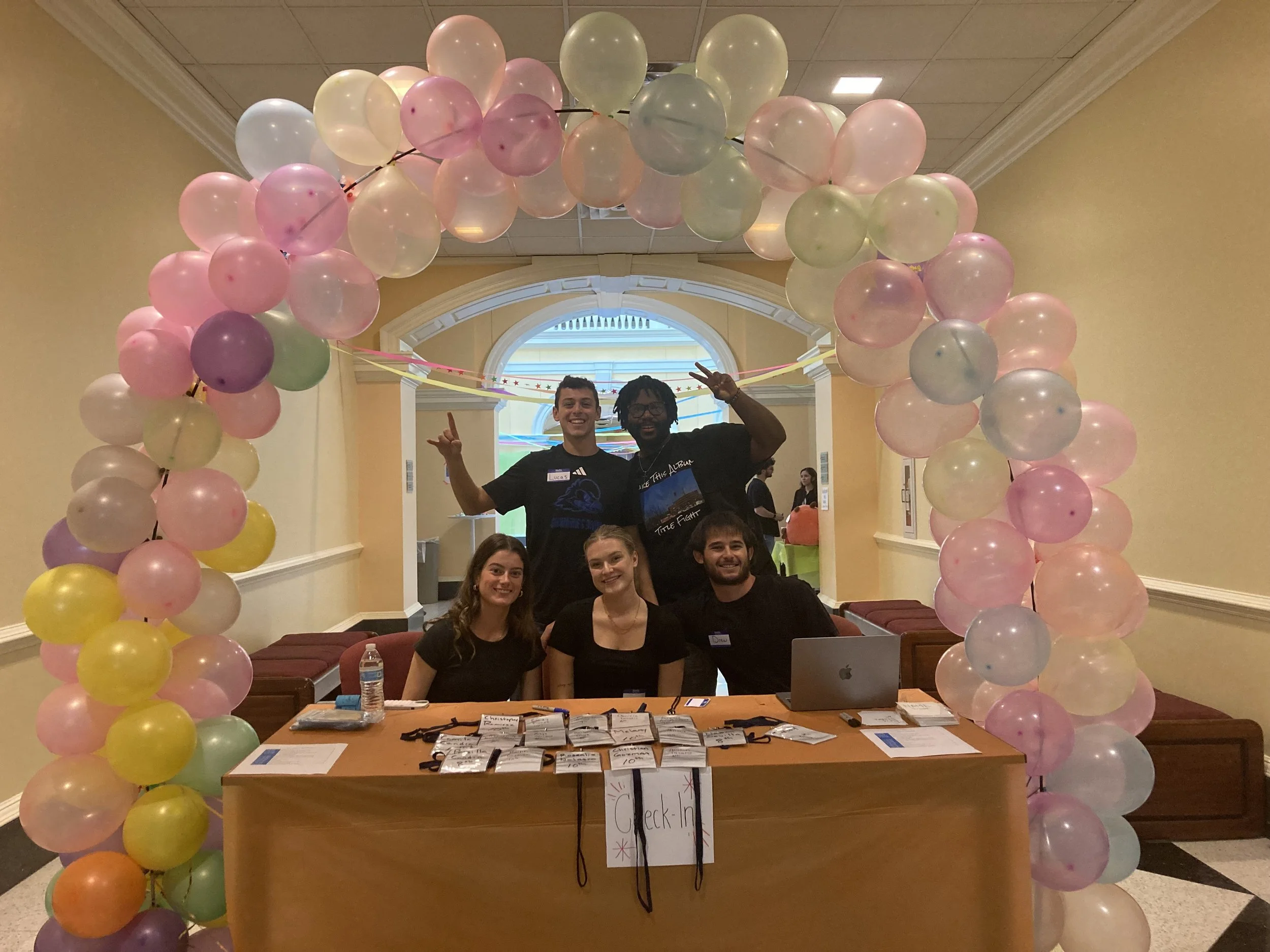
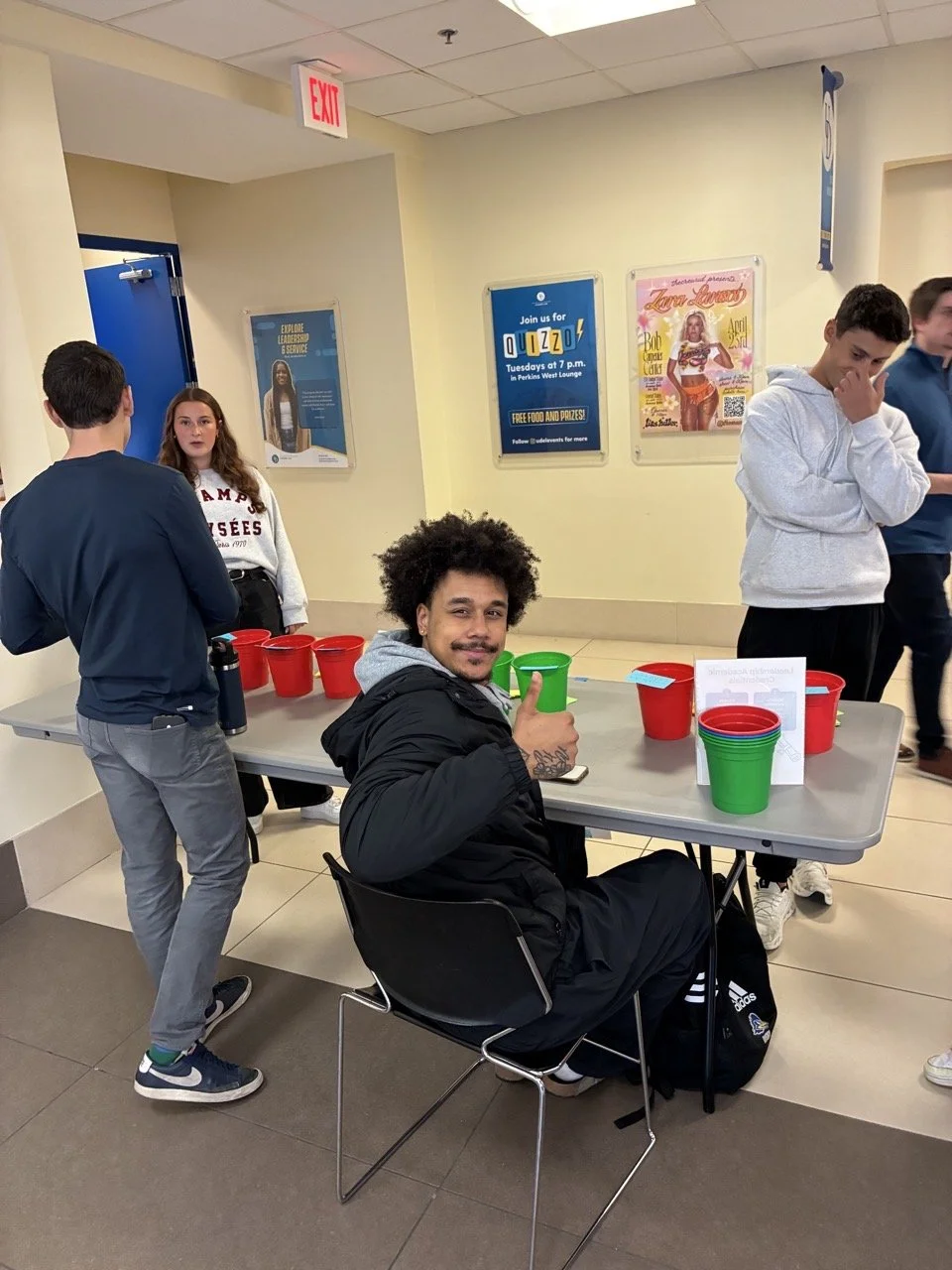
I also saw this in LEAD411, where we spent the semester building out our Next Gen Service Corps concept. That project required us to work not only with each other, but also with people across campus. We had to speak with faculty, staff, and professionals connected to UD through interviews and conversations. Those conversations pushed me to adjust the way I communicated depending on who I was talking to. Speaking with students was more casual and open-ended, while speaking with campus professionals required me to be more prepared, focused, and respectful of their time.
What stuck with me most is that individual differences are not just something you notice after the fact. They are something you have to actively respond to. Good leadership means paying attention to who is in the room, what they need from you, and how you can help the group move forward. These projects helped me realize that leadership is not about having one fixed style. It is about being flexible enough to lead, follow, listen, and adjust depending on the people and the situation.