Ethics in Effective Decision Making: LEAD341
During my junior year in LEAD341: Effective Decision Making, a big focus of the class was learning how to make better decisions by slowing down, looking at the full situation, and thinking through the ethical side of each choice. The class was not just about picking the option that benefits you the most. It was about understanding how decisions affect other people, how bias can shape the way we think, and why responsible leadership requires considering more than just the easiest outcome.
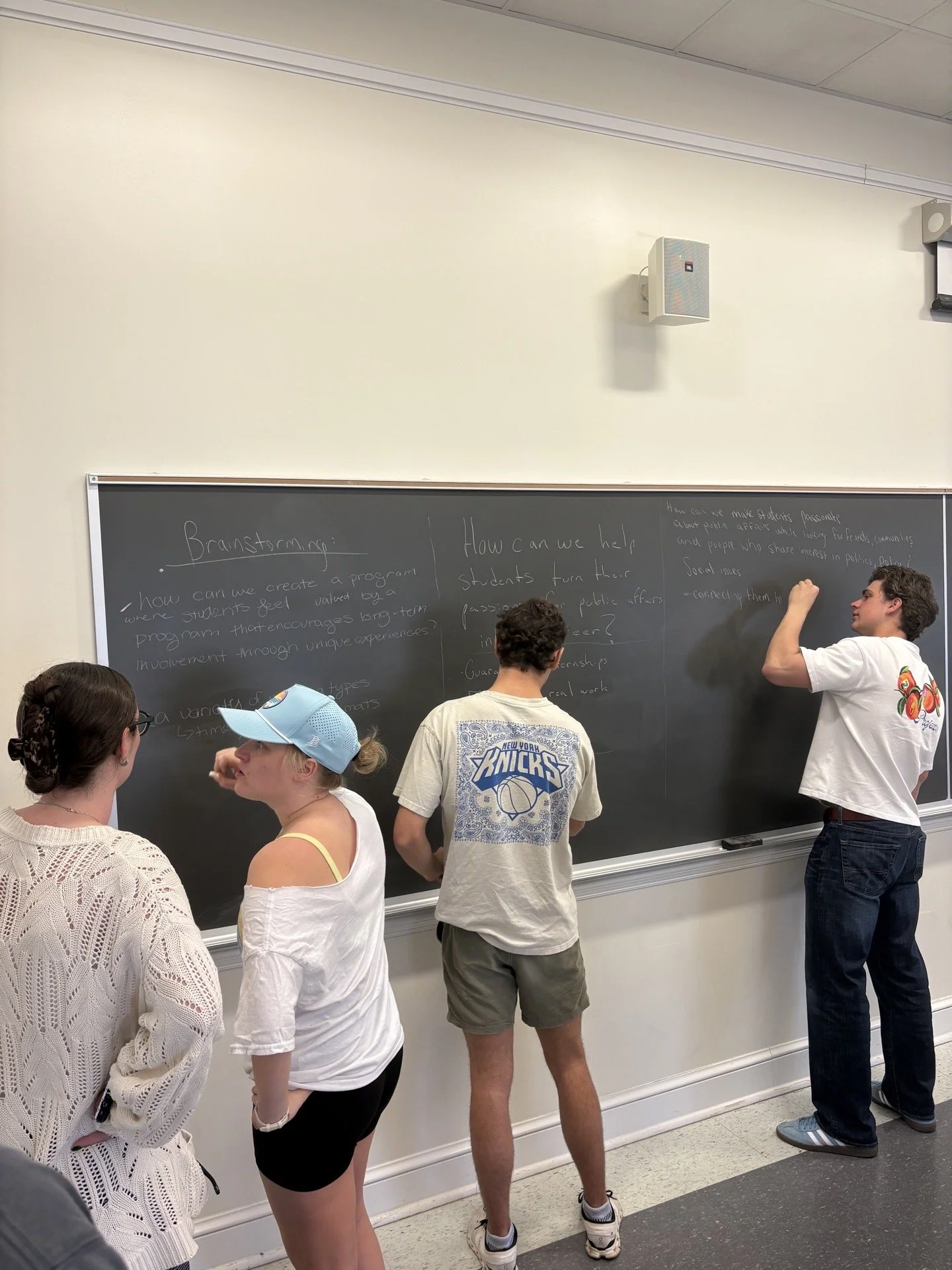
One major part of the class was our semester-long project, where we had to communicate the importance of effective decision-making to other students. My group created a video using different skits to show how people make decisions in real situations and how those choices can change depending on fairness, pressure, bias, and responsibility. This helped me understand ethics in a more practical way because we were not just defining terms from class. We had to actually show what ethical decision-making looks like when people are put in situations where their choices affect others.
The part of the class that stuck with me most was the final decision we had to make as a class about whether or not to take the final exam. Instead of the professor just making the choice for us, the class had to think through the decision together. It was not as simple as saying, “I do not want to take the final.” We had to consider how the decision would affect everyone’s grade, including people who may have needed the final to improve their overall average. That experience made ethics feel real because the decision had consequences beyond my own situation. It showed me that responsible leadership means thinking about the whole group, not just what works best for you personally.